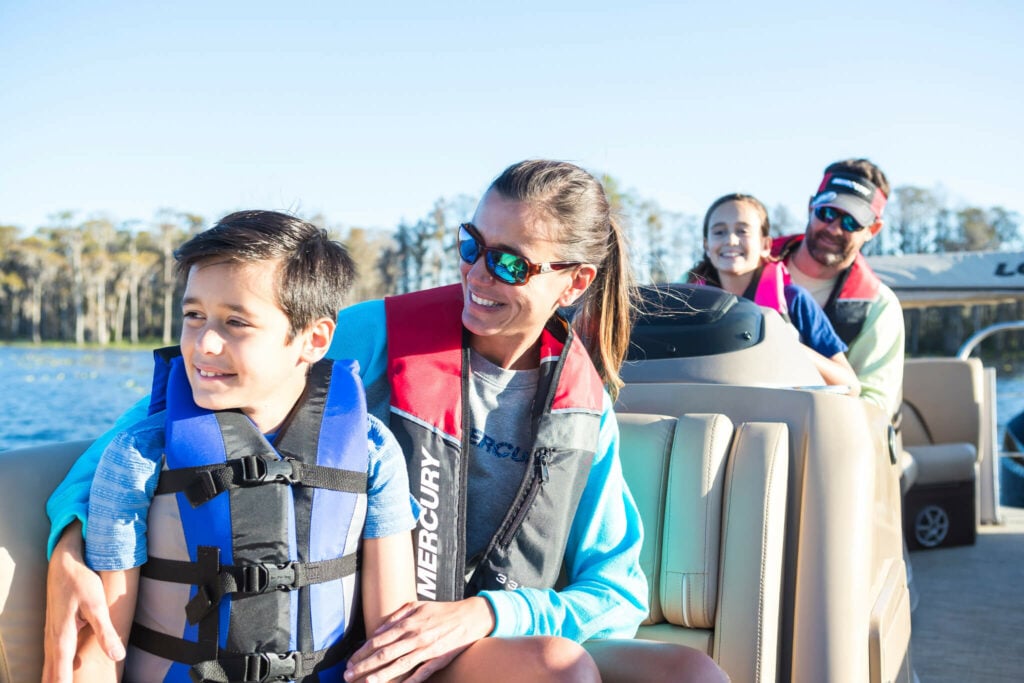
Planning for a day out on the lake can take some time. The most skilled planner will have lists of items to buy before the trip, items to bring in the car for the ride to the lake and a list of items to go on the boat. Of course we remember the snacks and drinks, the water skis and fishing poles all which are a necessity for having a great time. However, with the fun list of toys comes a short list of safety items which could be a huge help in the event of an emergency. While we will never use all of these safety items, having the right tools when you need them can make all the difference. In fact, missing some of these items can make destroy your fun day. Better yet, having the right safety gear on your boat can save a life.
Boat Safety Items:
 Fire Extinguisher
First Aid Kit
Life Jackets
Whistle or Air Horn
Flash Light
Screw Driver, Pliers
Spare Prop
Prop Nut Wrench
Duct Tape
While researching items for this article, we came across Federal Requirements for recreational boats published by the US Coast Guard. These regulations go into great detail as to the type of equipment necessary in its 82 page document called A Boaters Guide to Federal Requirements for Recreational Boats. Page 42 of that document lists the requirements based on the size of your boat. For our purposes, we are discussing boats up to 26 feet in length. Their list starts with reminding boaters that they need the required state numbering and licensing then the remaining 8 items are about safety. Similar to the list above, items required are life jackets, electric distress signals, flares, fire extinguisher, gas tank ventilation,horn or whistle, navigation lights and backfire flame arrestor for non-outboard motors. We recommend all boaters review this document in its entirety as it address safety in operating your boat as well. We will cover that topic in another post in the coming weeks.
In summary, take a few extra minutes this year before your first trip out with the boat to
be sure you have the proper safety equipment. Do it now and at the beginning of each season. A few safety precautions now can mean the difference between fun and disaster.

 Display your boat’s registration number properly
 skilled planner will have lists of items to buy before the trip, items to bring in the car for the ride to the lake and also a list of items to go on the boat. Of course we remember the snacks and drinks, the water skis and fishing poles all which are a necessity for having a great time. However with the fun list of toys comes a short list of safety items which could be a huge help in the event of an emergency. While we will never use all of these safety items, having the right tools when you need them can make all the difference. In fact, missing some of these items can make destroy your fun day. Better yet, having the right safety gear on your boat can save a life.